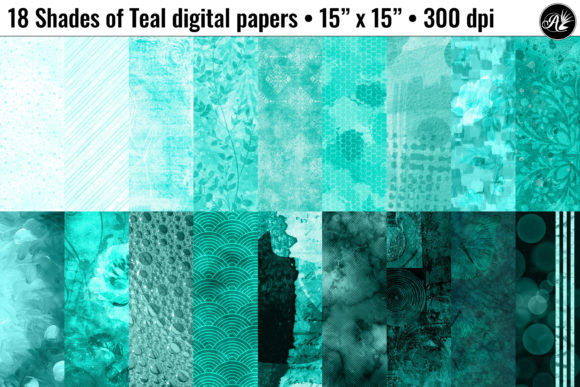
Exploring the Depth and Versatility of 18 Shades of Teal Digital Papers
In the expansive world of digital design, color is not merely an aesthetic choice; it is a foundational element that dictates mood, hierarchy, and user engagement. Among the spectrum of available hues, teal occupies a unique psychological space, bridging the calming stability of blue with the revitalizing energy of green. For creators seeking to elevate their visual projects, accessing a diverse range of tones within this spectrum is essential. This is where a curated collection like 18 Shades of Teal becomes an invaluable resource. These digital assets are not just background images; they are textured, high-resolution canvases designed to add depth, sophistication, and professional polish to a wide array of creative endeavors.
The Psychological and Aesthetic Power of Teal
Teal is often described as a sophisticated neutral in the design world. Unlike primary colors that can sometimes feel aggressive or overly juvenile, teal offers a sense of balance. It is frequently associated with clarity, communication, and emotional balance. When utilized in design, it can evoke feelings of tranquility without appearing passive, making it ideal for both corporate branding and personal artistic expressions.
However, using a single shade of teal can limit the dynamic range of a project. By incorporating 18 Shades of Teal, designers gain the ability to create monochromatic schemes that are rich and layered rather than flat. The variation allows for subtle gradients, contrasting accents, and thematic consistency across different media. Whether the goal is to create a serene atmosphere for a wedding invitation or a bold, modern look for a tech startup’s web banner, having access to multiple tonal variations ensures that the final output aligns perfectly with the intended message.
Technical Specifications and Quality Standards
For professional-grade results, the technical quality of digital assets is non-negotiable. Low-resolution images may appear acceptable on a screen but often fail when translated to physical prints, resulting in pixelation and loss of detail. The digital papers in this collection are engineered to meet rigorous standards, ensuring versatility across both digital and print mediums.
- High Resolution: Each image is rendered at 300 DPI (dots per inch), which is the industry standard for high-quality printing. This ensures that text, graphics, and other elements layered over these backgrounds remain crisp and clear.
- Large Dimensions: With a size of 15 x 15 inches at 4500 pixels square, these files provide ample workspace. This large canvas size allows designers to crop, zoom, or manipulate the background without compromising image integrity.
- File Format: The collection is delivered in JPG format, a universally compatible file type that works seamlessly with most graphic design software, including Adobe Photoshop, Photoshop Elements, GIMP, and Canva.
It is important to note that while these images are highly textured to provide a sense of depth, they are not seamless patterns. This characteristic is actually beneficial for many applications, such as scrapbooking or single-page designs, where a distinct, contained background is preferred over a repeating tile. The textures mimic real-world materials, adding a tactile quality to digital designs that flat colors simply cannot achieve.
Practical Applications for Creators and Professionals
The utility of 18 Shades of Teal extends far beyond simple background replacement. These digital papers serve as versatile tools for various industries and hobbies. Below are several key areas where these assets can significantly enhance project outcomes.
Print-on-Demand and Commercial Design
Entrepreneurs in the print-on-demand sector constantly seek unique designs that stand out in crowded marketplaces. Teal-themed backgrounds can be used for phone cases, laptop skins, tote bags, and home decor items. The textured nature of these papers adds a premium feel to products, allowing sellers to command higher price points. For instance, a dark teal texture might serve as an elegant backdrop for gold-foil typography on a journal cover, while a lighter, aqua-toned paper could complement floral illustrations on summer apparel.
Scrapbooking and Junk Journaling
Digital scrapbooking has evolved into a sophisticated art form, blending traditional aesthetics with digital flexibility. The varied tones in this set allow scrapbookers to create cohesive layouts that guide the viewer’s eye through a story. Lighter shades can highlight photos and captions, while darker shades provide grounding frames. In junk journaling, where the aesthetic is often eclectic and layered, the textured teal papers can simulate aged parchment, fabric, or painted wood, adding authenticity to digital collages.
Web Design and Digital Marketing
In web design, background textures can reduce the sterility of flat design trends. Using a subtle teal texture behind call-to-action buttons or header sections can increase visual interest without distracting from the content. Furthermore, these backgrounds are excellent for creating social media graphics. Consistent use of a specific teal palette helps establish brand identity, making posts instantly recognizable to followers. The high resolution ensures that these graphics look sharp on high-density retina displays.
Event Stationery and Invitations
Weddings, corporate events, and birthday celebrations often require themed stationery. Teal is a popular choice for modern weddings, particularly those with coastal, botanical, or geometric themes. These digital papers can serve as the base for invitations, save-the-dates, menu cards, and place settings. The ability to mix and match different shades allows for a coordinated suite of materials that feels custom-designed rather than template-based.
Workflow Integration and Technical Considerations
To maximize the potential of these digital assets, users should follow best practices for file management and software usage. Understanding the technical workflow ensures a smooth creative process and prevents common issues related to file compatibility and color accuracy.
File Management: The product is delivered in a ZIP format. Users on Windows or macOS may need software like WinZip or 7-Zip if their operating system does not automatically extract compressed files. It is crucial to download these files to a computer rather than a mobile device. Mobile operating systems often compress images further or restrict file access, which can hinder the editing process. Working on a desktop or laptop provides the necessary processing power and screen real estate for detailed design work.
Software Requirements: While JPG files are widely supported, leveraging the full potential of these textured backgrounds often requires photo editing software. Programs like Adobe Photoshop or the free alternative GIMP allow users to adjust opacity, blend modes, and color balance. For example, setting a teal texture to "Multiply" mode can integrate it seamlessly with underlying colors, while "Overlay" can enhance contrast and vibrancy.
Color Accuracy: One critical consideration for any digital designer is color variance. Monitor settings, calibration, and printer profiles can all affect how teal appears in the final output. A shade that looks vibrant on a calibrated professional monitor may appear duller on a standard laptop screen or when printed on uncoated paper. Designers are advised to perform test prints and adjust brightness and contrast settings as needed. Keeping in mind that product photos are for display purposes only, users should rely on the actual downloaded files for accurate color representation.
Enhancing Creativity Through Texture and Depth
The inclusion of texture in digital design is a trend that continues to grow in popularity. Flat design, while clean, can sometimes lack emotional resonance. Textured backgrounds like those found in 18 Shades of Teal introduce a sensory element to visual communication. They mimic the imperfections of natural materials, such as paper grain, brush strokes, or fabric weaves. This tactile illusion creates a connection with the viewer, making the design feel more organic and handcrafted.
For educators and researchers creating presentations or reports, these backgrounds can break the monotony of white slides. A subtle teal texture can provide a professional yet engaging backdrop for data visualization, helping to maintain audience attention. Similarly, business owners designing internal documents or client proposals can use these tones to reinforce brand colors while adding a layer of sophistication that distinguishes their materials from generic templates.
Conclusion: A Versatile Asset for Modern Design
The 18 Shades of Teal digital paper collection represents more than just a set of background images; it is a toolkit for enhancing visual storytelling. By offering a broad spectrum of tones and high-quality textures, it empowers creators to produce work that is both aesthetically pleasing and technically robust. Whether used for commercial print-on-demand products, personal scrapbooking projects, or professional web design, these assets provide the flexibility and depth needed to bring creative visions to life. As digital design continues to evolve, the demand for high-quality, versatile resources remains constant, making this collection a valuable addition to any designer’s library.