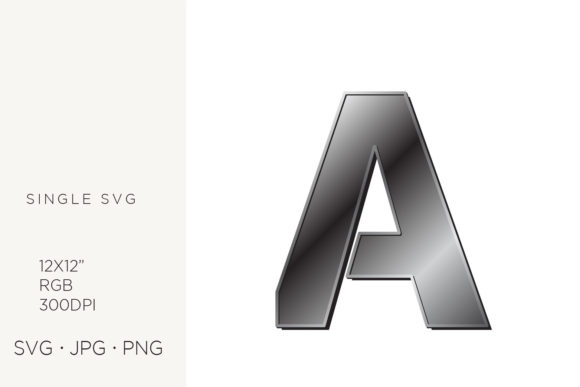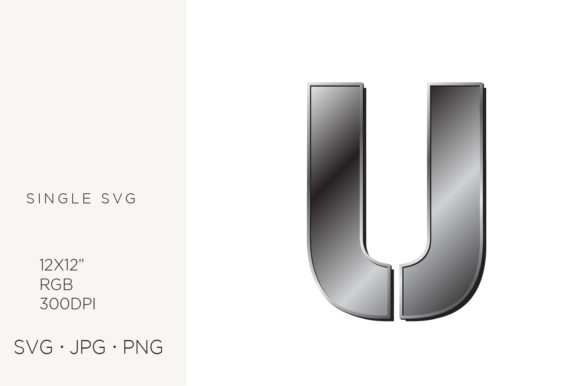
Mastering the Industrial Silver Initial Letter U for Professional Design Projects
In the world of digital design and handmade crafts, typography is often the silent hero that defines a brand’s personality. Among the myriad of options available, the Industrial Silver Initial Letter U stands out as a versatile asset for creators seeking a blend of modern edge and timeless elegance. Whether you are designing a logo for a tech startup, crafting wedding invitations, or creating unique wall art, this specific typographic element offers a robust foundation. However, simply downloading a file is not enough to guarantee professional results. Many creators overlook critical technical details regarding resolution, color profiles, and file formats, leading to frustrating outcomes in print and digital media.
Understanding the nuances of vector-based graphics is essential for anyone looking to leverage these assets effectively. This guide explores common pitfalls associated with using industrial-style initial letters and provides actionable advice to ensure your projects maintain high quality and visual impact.
The Allure of Industrial Aesthetics in Typography
The industrial design trend has transcended interior decor to influence graphic design significantly. Characterized by clean lines, metallic textures, and a sense of structural integrity, industrial typography conveys strength and reliability. The Industrial Silver Initial Letter U, specifically, captures this essence through its sleek, metallic finish and bold structure. It is particularly popular among entrepreneurs and marketers who wish to project an image of innovation and durability.
Creators are drawn to these elements because they offer a shortcut to high-end customization. Instead of spending hours rendering metallic effects in Adobe Illustrator, designers can utilize pre-made vector assets. These files, typically created with an artboard size of 12 x 12 inches at 300 DPI in RGB color palette, are ready for immediate integration into various projects. From stationery and announcements to jewelry packaging and web design, the applications are vast. However, the ease of access often leads to complacency regarding technical specifications.
Common Mistakes and How to Avoid Them
While the availability of digital graphics elements like SVG, JPG, and PNG files simplifies the design process, it also introduces room for error. Here are some frequent mistakes creators make and how to correct them.
Ignoring File Format Differences
One of the most significant errors beginners make is treating all file formats as interchangeable. An SVG (Scalable Vector Graphics) file is fundamentally different from a JPG or PNG. Vector files, such as those created in Adobe Illustrator, allow for infinite scaling without loss of quality. This is crucial for large-format prints like wall art or banners. In contrast, raster formats like JPG and PNG are pixel-based. If you enlarge a low-resolution JPG, it becomes pixelated and blurry.
Better Approach: Always use the SVG file for any design that requires resizing, such as logos or large prints. Reserve JPG and PNG files for web use or fixed-size digital applications where scalability is not a concern. Check the file type before starting your project to ensure you have the right tool for the job.
Overlooking Color Profile Constraints
The Industrial Silver Initial Letter U is often provided in an RGB color palette, which is ideal for screens, websites, and digital presentations. However, many creators mistakenly use RGB files for printed materials like invitations, business cards, or party decor. Printers typically require CMYK color profiles. Using RGB files for print can result in dull, inaccurate colors, particularly with metallic silver tones, which may appear gray or muddy.
Better Approach: If you are preparing files for print, convert your RGB vectors to CMYK within Adobe Illustrator before sending them to the printer. Test print a sample to verify that the silver hue retains its luster and intended industrial feel. For digital-only projects, stick to RGB to ensure vibrant display on monitors and mobile devices.
Neglecting Resolution Requirements
Resolution is another area where misunderstandings occur. The standard for high-quality print is 300 DPI (dots per inch). While the source files for the Industrial Silver Initial Letter U are often created at this resolution, exporting them incorrectly can reduce quality. For instance, saving a vector as a low-resolution PNG for quick web use is fine, but using that same low-res file for a printed announcement will result in jagged edges and poor clarity.
Better Approach: Maintain a library of both high-resolution and web-optimized versions of your assets. When exporting from Adobe Illustrator, explicitly set the resolution to 300 PPI/DPI for print outputs and 72 PPI/DPI for web graphics. This ensures optimal quality for each medium.
Practical Applications and Best Practices
To maximize the potential of your Industrial Silver Initial Letter U, consider the following best practices across different use cases.
- Logo Design: Use the SVG format to ensure your logo looks crisp on both business cards and billboards. Keep the background transparent when using PNGs for website headers to allow seamless integration with your brand colors.
- Handmade Craft Items: When creating physical items like jewelry or engraved goods, vector paths are essential. Ensure your SVG paths are closed and clean to avoid cutting errors if using laser cutters or CNC machines.
- Stationery and Invitations: Pair the industrial letter with complementary fonts that balance its boldness. A thin, sans-serif font often works well to create contrast. Always proofread your design in CMYK mode if printing professionally.
- Web and Graphic Design: Optimize PNG files for faster loading times without sacrificing visual quality. Use CSS to style the SVG if you need interactive effects, such as changing the silver tone on hover.
Evaluating Quality Before Purchase or Download
Before integrating any digital graphic element into your workflow, perform a quick quality check. Open the SVG in Adobe Illustrator or a similar vector program. Zoom in to 400% or more. The edges should remain smooth and sharp. Check the layers panel to ensure the file is organized and not composed of unnecessary grouped objects that might complicate editing.
Additionally, verify the license terms. Ensure you have the right to use the asset for commercial purposes if you are selling products like handmade cards or printed paper items. Respecting intellectual property rights is crucial for maintaining professionalism and avoiding legal issues.
In conclusion, the Industrial Silver Initial Letter U is a powerful design tool when used correctly. By understanding the technical differences between file formats, respecting color profile requirements, and maintaining high resolution, you can elevate your creative projects. Whether you are a seasoned professional or a hobbyist exploring new design horizons, attention to these details will ensure your work stands out for its quality and precision. Take the time to learn the tools at your disposal, and let your creativity flourish without technical limitations.