Evaluating Cavendishsm Brush Stroke Clipart Element for Professional Design Projects
In the rapidly evolving landscape of digital design, the demand for high-quality, versatile assets has never been higher. Designers, entrepreneurs, and hobbyists alike are constantly seeking resources that bridge the gap between professional polish and creative flexibility. One such resource gaining attention is the Cavendishsm Brush Stroke Clipart Element. This digital product offers a curated collection of artistic strokes designed to add texture, movement, and visual interest to a wide array of projects. However, before integrating any new asset into your workflow, it is essential to understand its technical specifications, practical applications, and how it compares to other available options in the market.
Understanding the Technical Specifications and Quality
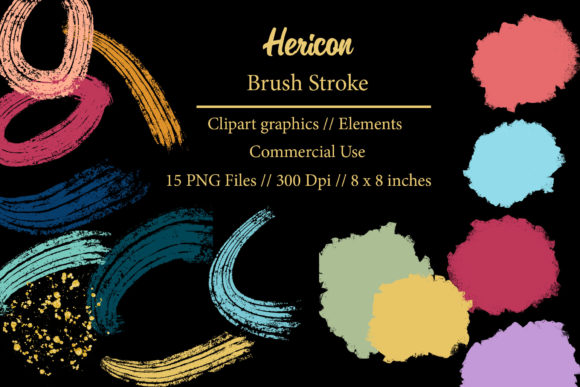
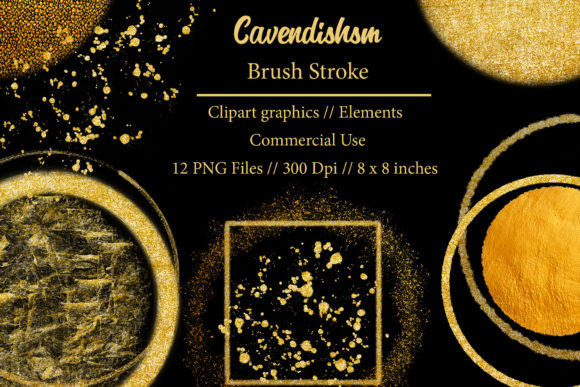
The foundation of any useful digital asset lies in its technical quality. The Cavendishsm Brush Stroke Clipart Element package is structured to meet professional standards, providing users with twelve individual transparent PNG elements contained within a single .ZIP file. Upon downloading, users must extract the files to access the content. Each element is rendered at 300 DPI (dots per inch) with dimensions of 8 x 8 inches.
Why do these specifications matter? For those unfamiliar with print design, 300 DPI is the industry standard for high-quality printing. Assets with lower resolution, such as 72 DPI typically used for web-only graphics, often appear pixelated or blurry when printed on physical media. By offering 300 DPI files, this clipart set ensures that the brush strokes remain crisp and detailed whether they are used on a small business card or a larger poster. Furthermore, the transparent background of the PNG format is crucial for seamless integration. It allows designers to layer the brush strokes over photographs, solid colors, or complex patterns without having to manually remove backgrounds, saving significant time during the editing process.
Versatility Across Print and Digital Media
One of the primary strengths of the Cavendishsm Brush Stroke Clipart Element is its adaptability. The product description highlights a broad spectrum of use cases, ranging from stickers and planner goodies to sublimation designs and web decor. This versatility stems from the neutral yet expressive nature of brush strokes. Unlike specific illustrations that may dictate a theme, abstract strokes serve as foundational design elements that can be manipulated to fit various aesthetics.
For instance, in the realm of stationery and invitations, these elements can be used to frame text, create dynamic headers, or add a hand-painted feel to digital invites. In corporate branding, such as logos and business cards, a well-placed brush stroke can convey creativity and energy, breaking the rigidity of traditional geometric layouts. Additionally, the rise of DIY culture and print-on-demand services has expanded the utility of such assets. Designers can apply these strokes to mugs, t-shirts, and fabric using sublimation techniques, where the high resolution ensures the design transfers cleanly onto textiles and hard surfaces.
Comparing Clipart Elements to Alternative Design Resources
When evaluating design resources, it is helpful to compare pre-made clipart elements against other common alternatives, such as custom illustration, vector libraries, and stock photography. Each option has distinct tradeoffs regarding cost, time, and customization.
Custom Illustration vs. Pre-made Clipart
Hiring a professional illustrator to create unique brush strokes offers complete exclusivity and tailored results. However, this approach is often prohibitively expensive and time-consuming for small businesses or individual creators. The Cavendishsm Brush Stroke Clipart Element provides a cost-effective alternative. While you do not own exclusive rights to the image in the same way you would with a commissioned piece, you gain immediate access to professional-grade assets for a fraction of the cost. For many projects, especially those with tighter budgets or quicker turnaround times, this tradeoff is acceptable.
Vector Files vs. Raster PNGs
A common question among designers is whether to choose raster images (like PNGs) or vector files (like SVGs or AI). Vectors are infinitely scalable, meaning they can be resized to any dimension without losing quality. Raster images, however, are pixel-based. The 8 x 8 inch size at 300 DPI of this clipart set is sufficient for most standard print applications. If a project requires massive scaling, such as a billboard or a large vehicle wrap, a vector format might be preferable. However, for typical uses like planners, social media graphics, and standard apparel, the provided resolution is more than adequate. Additionally, PNGs are universally compatible with almost all design software, including free or entry-level tools that may not support advanced vector editing.
Stock Photography vs. Graphic Elements
Stock photos provide realistic imagery but can lack the stylistic cohesion needed for branded materials. Graphic elements like brush strokes allow for greater control over the visual narrative. They can be colored, rotated, and layered to match a specific brand palette, offering a level of customization that static photographs cannot easily achieve.
Best-Fit Situations and Limitations
Understanding when to use the Cavendishsm Brush Stroke Clipart Element is key to maximizing its value. This product is an excellent choice for:
- Small Business Branding: Entrepreneurs looking to add a personal, artisanal touch to their logos or packaging without hiring a designer.
- Digital Content Creation: Bloggers and social media managers who need quick, eye-catching graphics for headers, stories, or posts.
- DIY and Craft Projects: Individuals creating custom stickers, planner inserts, or home decor items via print-on-demand services.
- Event Stationery: Couples or event planners designing invitations, save-the-dates, or menu cards that require a soft, organic aesthetic.
However, there are limitations to consider. Since the product consists of only twelve elements, users seeking a vast library of varied styles may find the selection limited. If a project requires dozens of different brush textures, supplementing this pack with additional resources might be necessary. Furthermore, while the transparent PNG format is versatile, it does not allow for non-destructive editing of the stroke shape itself. You can change the color or opacity, but you cannot alter the fundamental path of the brush stroke as you could with a vector file. Users who require extensive manipulation of the shape may need to look for vector-based alternatives or possess advanced photo editing skills to modify the raster images effectively.
Making an Informed Decision
Choosing the right design assets involves balancing quality, convenience, and cost. The Cavendishsm Brush Stroke Clipart Element positions itself as a practical, high-quality solution for creators who need reliable, print-ready graphics. Its strength lies in its simplicity and technical readiness. The inclusion of high-resolution, transparent files removes many of the technical barriers that often frustrate non-designers, such as background removal or resolution mismatches.
Before purchasing, consider your specific project requirements. If you are working on standard-sized print materials or digital graphics, this set offers excellent value. If your work involves large-format printing or requires infinite scalability, you may need to verify if the 8 x 8 inch dimensions suffice or if a vector alternative is more appropriate. Additionally, assess your design style. If your brand leans towards clean, minimalist, or hand-crafted aesthetics, these brush strokes can enhance your visual identity. If your style is strictly corporate or geometric, these elements may not align with your brand guidelines.
Ultimately, the Cavendishsm Brush Stroke Clipart Element serves as a versatile tool in a designer’s toolkit. It is not a one-size-fits-all solution, but for the right applications, it provides a efficient way to elevate visual projects with minimal effort. By understanding its specifications and comparing it against other available resources, you can determine whether it fits your current design needs and helps you achieve your creative goals effectively.